
While consuming alcohol in moderation may be deemed safe for some individuals on blood thinners, it’s crucial to monitor for any signs of bleeding. Alcohol can potentially increase the risk of bleeding, and it’s important to be aware of any abnormal bleeding or bruising. If you notice any unusual bleeding, such as nosebleeds, blood in the urine or stool, or prolonged bleeding from minor cuts, it’s important to seek medical attention promptly. Being vigilant and proactive can help identify any potential issues and ensure timely intervention if needed. Platelets are small blood cells responsible for clotting and preventing excessive bleeding.
- The aforementioned are all approved by regulatory authorities in their respective countries.
- Navigating the waters of alcohol consumption while on blood thinners is a delicate balance.
- This can further tilt the balance toward less clot persistence, in line with a mild “thinning” effect.
- You should let your doctor know if you are regularly using CBD so that he or she can check your liver enzymes periodically.
- Anticoagulants prevent the clot from growing and allow the body’s natural mechanisms to gradually break down the clot over time.
Does alcohol make blood clots or risk of stroke worse?
Doing anything that can make you bleed is something to seriously consider not doing if you’re on a blood thinner. That means contact sports like hockey, soccer or football, or ones that pose a serious risk of injury if you fall (like skiing, gymnastics or ice skating) are best put on the sidelines. Talk to your care team about the use of this medication in children. While it may be prescribed for to children for selected conditions, precautions do apply. If you do drink, you should not exceed the maximum weekly recommended intake of 14 alcohol units a week (a glass of wine is two units and a pint of beer or lager is two or three). Many people can recover if they go to a specialized rehab center that uses proven treatments.
Have Questions? Ask Our Expert Doctors.
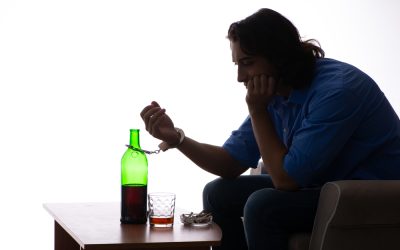
If those feelings are severe or they don’t go away, and you blood thinners and alcohol don’t feel like doing your normal activities, tell your doctor. They might be able to give you medication or a referral for talk therapy. A support group of people who’ve had the same problems may help, too. While you’re in your seat, flex your ankles to keep blood flowing.
- Research suggests drinking alcohol may thin the blood by affecting platelets, which are the parts of blood that initiate coagulation, or clotting.
- You may be safe to drink alcohol on occasion while on blood thinners and if your doctor gives you the go-ahead.
- Even if you don’t consider yourself a heavy drinker, regular alcohol use can impact negatively your blood-thinning medication.
Can you drink wine with blood thinners?

If it clots too much, it can cause the dangerous medical events mentioned above. Certain blood components keep your clotting processes in an inactive state. That way, your body can activate them quickly when you have an injury that needs repair. When blood clots work like they’re supposed to, they form at the site of an injury that needs repair and they stay put. However, when clots don’t stay in one place or form in your bloodstream, they can be extremely dangerous. If a clot is too large, it can get stuck in a smaller blood vessel.
Sleeping better when you have pain
The two primary categories of blood thinners are vitamin K antagonists and direct acting anticoagulants. If you’re on warfarin, for instance, your response to alcohol might differ significantly from someone on a newer medication like apixaban or rivaroxaban. Conversely, while direct acting anticoagulants don’t rely as heavily on vitamin K, that doesn’t mean you can freely indulge in cocktails without concern. Check in with your healthcare provider, who can evaluate your unique situation and provide medical https://ecosoberhouse.com/ advice on the risk of mixing alcohol and Eliquis. Based on your medical history, risk factors, medical conditions, and medications you take, your healthcare may allow for moderate alcohol consumption or advise you to avoid alcohol altogether.
Insulins, weight loss medications and other products to order online that are affordable & accessible for everyone amphetamine addiction treatment in the US. Orlando Recovery Center specializes in compassionate, evidence-based care tailored to your needs. Whether you’re seeking help for yourself or a loved one, we’re here to guide you every step of the way. We specialize in compassionate, evidence-based care tailored to your needs. Heavy legs, swelling, aching, or visible varicose veins are often dismissed as cosmetic, but they are common signs of chronic venous insufficiency. Wear compression stockingsOften recommended for patients with venous insufficiency or after vein procedures.

- An added incentive to purchasing your medications through PharmaServe is you get to earn rewards points whenever you order through the website.
- Each person’s body reacts differently, so it’s crucial to understand the potential ramifications of your drinking habits while managing your medication.
- More resources for a variety of healthcare professionals can be found in the Additional Links for Patient Care.
In conclusion, the relationship between alcohol and blood thinners is an important consideration for individuals who are taking these medications. While alcohol is not a blood thinner, it can have significant effects on platelet function and clotting factors. When combined with blood thinners, alcohol consumption can increase the risk of bleeding and potentially impact medication effectiveness. Blood thinners, also known as anticoagulants, are medications that help prevent blood clots from forming or growing.
If you combine it with a medical blood thinner, the effects of both substances can be exacerbated and reduce the blood’s ability to clot. Each of these drugs has a specific mechanism of action and risk profile. Any medication that slows blood clotting can interact with certain foods, supplements, or other medications. Alcohol, in particular, may cause adverse effects by compounding the blood-thinning effect or impacting the absorption and metabolism of these drugs. Staying active, maintaining a healthy weight, wearing compression when recommended, and treating vein disease early all support healthy circulation. A vein specialist can evaluate your individual risk and create a prevention plan tailored to your needs.