
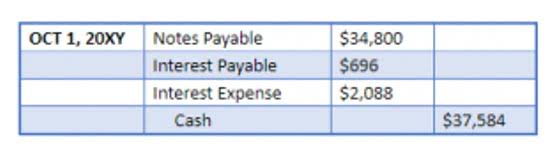
Notes payable generally refer to formal written agreements in which a company promises to repay a specific amount, often with interest, by a set date. These agreements may be short- or long-term depending on the maturity period outlined in the note. This type of note is often used for short-term borrowing when a business expects to have the funds available later but needs immediate access to capital now. It’s simple to manage upfront but can put pressure on cash flow when the payment is due. If the business doesn’t have funds ready, it may need to refinance or risk defaulting.
Financial
This guide explains the meaning, key differences, and examples of notes payable vs accounts payable to help your accounting team manage them effectively. That said, managing notes payable and particularly accounts payable can be challenging. And they spend an extraordinary amount of time trying to ensure data from invoices are keyed into their system accurately. For the first journal entry, you would debit your cash account with the loan amount of $10,000 since your cash increases once the loan has been received. When the company pays off the loan, the amount in its liability under “notes payable” will decrease. Simultaneously, the amount recorded for “vehicle” under the asset account will also decrease because of accounting for the asset’s depreciation over time.

Fortune – Fortune 500 Daily & Breaking Business News Fortune
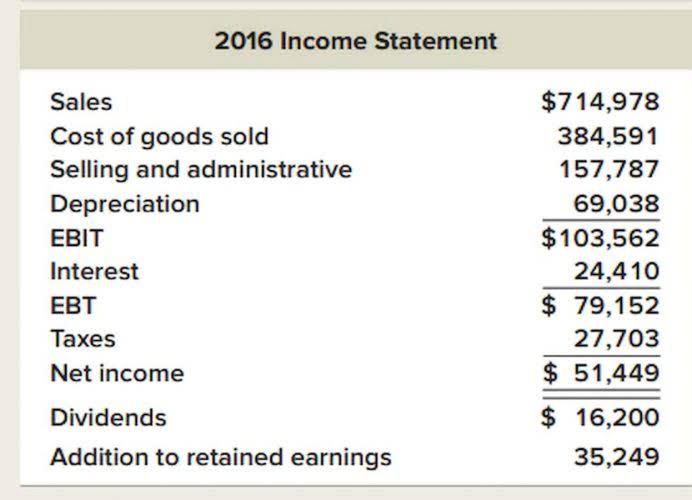
They are what does n/p mean in accounting bilateral agreements between issuing company and a financial institution or a trading partner. Accounts payable (AP) and notes payable (NP) are often used interchangeably, but in reality, they operate differently and serve distinct purposes within your financial strategy. This ratio is the main indicator of a firm’s profitability, a trend analysis is usually done between two different accounting periods to assess improvement or deterioration of operations. This means that for every 1 unit of net sales the company earns 50% as net profit. Alternatively, the company has a net profit margin of 50%, i.e. 0.50 unit of Net Profit for every 1 unit of revenue generated from operations.
B2B Payments
For the purpose of this ratio, net profit is the net income or net profit of the entity as exhibited by its income statement or profit and loss account. The denominator used is, however, the net sales which is typically the entity’s primary source of revenue. Continuing with the above example, let’s assume the loan company applied to buy that vehicle is from Bank of America. The promissory note is payable two years from the initial issue of the note, which is dated January 1, 2025, so the note would be due December 31, 2027.
Finance leaders often use AP automation tools or ERP systems to track maturity dates, manage interest payments, and forecast the impact of these liabilities on their balance sheet. Notes payable represent liabilities owed to financial institutions captured in the form of formal promissory notes. A notes payable is effectively a loan agreement, containing information related to payment deadlines and interest rates. NPs are recorded in the general ledger to ensure debts are repaid in full accordance with the agreement. Accounts payable (AP) is money a business owes to its vendors or suppliers for purchases made on credit.
How to calculate notes payable with interest
Another related tool is an amortization calculator that breaks down every payment to repay a loan. It also shows the amount of interest paid with each installment and the remaining balance on the loan after each payment. Borrowers with a strong credit and financial profile may qualify for a low interest rate. A borrower with a weak credit history and a relatively less healthy financial profile may be in for a higher interest rate. You use 1/12 because you’re figuring interest for one month and there are 12 months in the year.
When in doubt, please consult your legal, tax, or compliance professional. Sage makes no representations or warranties of any kind, express or implied, about the completeness or accuracy of the Content. For further details on Sage website terms of use, please refer to /en-us/legal. The right accounts payable software can take Bookkeeper360 Review the pressure off by automating key workflows and improving visibility across your business. While both represent liabilities, they serve different purposes, impact cash flow differently, and require distinct accounting treatments. These debts are typically due within 30 to 90 days and, unlike notes payable, do not accrue interest.
- It is one of the two elements that determine the return on assets, the other element being the sales turnover ratio.
- You use 1/12 because you’re figuring interest for one month and there are 12 months in the year.
- At the same time, the amount recorded for “furniture” under the asset account will also decrease as the company records depreciation on the asset over time.
- An amortized note involves making regular payments (monthly, quarterly, etc.) that cover both the interest and a portion of the principal.
- Explore why HighRadius has been a Digital World Class Vendor for order-to-cash automation software – two years in a row.
- Notes Receivable record the value of promissory notes that a business owns, and for that reason, they are recorded as an asset.

Additionally, they are classified as current liabilities when the amounts are due within a year. When a note’s maturity is more than one year in the future, it is classified with long-term liabilities. Understanding the difference between accounts payable and notes payable is essential for keeping your business finances in check. Both require your team to follow timely payments, though notes payable have structured interest-bearing schedules, while accounts payable involves short-term trade credits. Both notes payable and accounts payable are classified as liabilities but appear differently in financial statements.

Business flows with Sage
- A notes payable is effectively a loan agreement, containing information related to payment deadlines and interest rates.
- This note represents the principal amount of money that a lender lends to the borrower and on which the interest is to be accrued using the stated rate of interest.
- Suppose a company needs to borrow $40,000 to purchase standing desks for their staff.
- Notes payable are amounts a business owes to others—recorded as a liability.
Businesses use accounts payable (AP) and notes payable (NP) as instruments to calculate and monitor their total liabilities to banks, merchants or other financial institutions. Because the liability no longer exists once the loan is paid off, the note payable is removed as an outstanding debt from the balance sheet. Suppose a company needs to borrow $40,000 to purchase standing desks for their staff. To buy new furniture, the company applies for financing directly through the furniture store. The store approves the financing and issues a promissory note with the loan details, like the interest rate and the payment timeline.
- It’s simple to manage upfront but can put pressure on cash flow when the payment is due.
- This ratio is the main indicator of a firm’s profitability, a trend analysis is usually done between two different accounting periods to assess improvement or deterioration of operations.
- Organizations use accounts payable (AP) and notes payable (NP) to monitor debts owed to banks, merchants, or specialized professionals.
- This guide explains the meaning, key differences, and examples of notes payable vs accounts payable to help your accounting team manage them effectively.
- Download the financial projections template to clarify financial patterns, track spending throughout the year, and make better-informed decisions about the future.
How to Calculate Notes Payable?

LTNP funding allows businesses to plan beyond day-to-day operations and fund innovation and growth. Using LTNP credit, you improve everyday control while building products and features to increase future revenue. Team MHC consists of a multitude of roles, functions, and expertise within MHC. Working alongside field experts in various industries and company sizes, Team MHC has https://demo2.plethorait.com/2023/09/28/highest-quality-thc-magic-mushroom-products/ garnered impressive thought leadership knowledge that we are excited to share with our readers. NP ratio helps to determine the overall efficiency of the business’ operations, furthermore, it is an indicator of how well a company’s trading activities are performing.